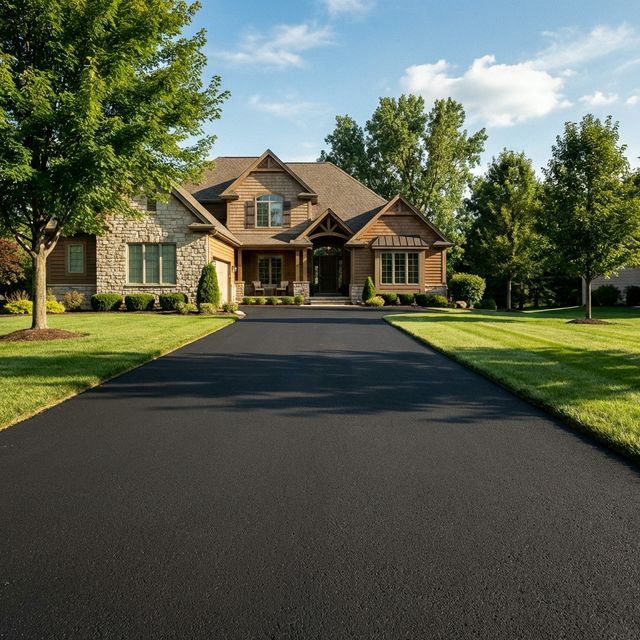
Asphalt
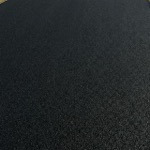
A smooth, dark finish
$3,200–$4,000600 sq ft · new surfaceCompare paving thickness, base preparation, and future sealing.
Calculate my drivewayA new driveway starts with a clearer price.
Find your home. Trace your driveway. Compare material costs for your actual space, then ask us to check local contractor options.
Free estimate · No email needed to see your price
Material inspiration
Asphalt · 600 sq ft new driveway
$3,200–$4,000Example budget for MO · How we estimateYour driveway is different. Measure it below for your estimate.
Trace your driveway on satellite imagery.
Compare materials. Save your estimate.
Opt in to contractor options by email.
YOUR DRIVEWAY, YOUR NUMBERS
Enter your address above, then trace the edges on the map. We’ll turn that area into a budget you can work with.
Find your home on the map, then click Measure My Driveway to trace the driveway’s edges.
The estimate is free. You decide whether to request contractor help.
Click Measure My Driveway to trace your driveway and get your price.
Helps estimate removal costs
Based on regional planning assumptions
Location estimated from the traced area
We’ll check who can help in your area and email you the options.
No obligation to move forward.
Keep your measurements and price range so you can come back later.
Both options are delivered by email so you can reopen your estimate anytime.
EXPLORE THE POSSIBILITIES
Start with a 600 sq ft example. These MO planning ranges show how your choice of material changes the budget.
A smooth, dark finish
$3,200–$4,000600 sq ft · new surfaceCompare paving thickness, base preparation, and future sealing.
Calculate my driveway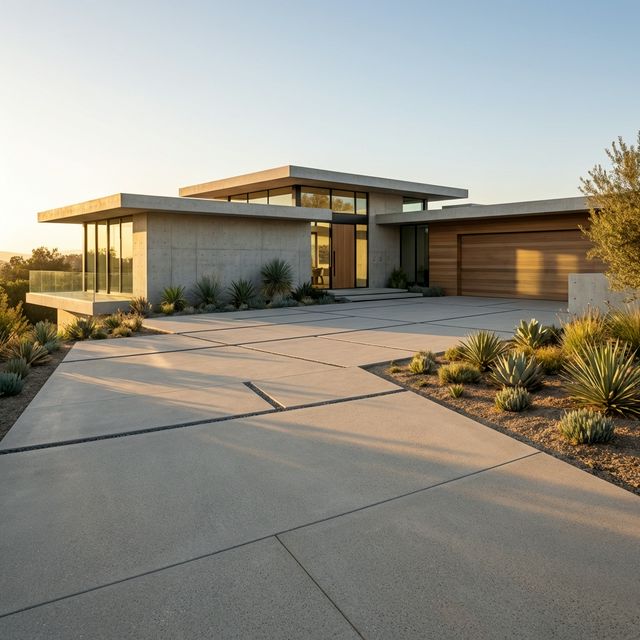
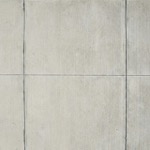
A clean, light finish
$5,400–$6,600600 sq ft · new surfaceCompare slab thickness, reinforcement, finish, and control joints.
Calculate my driveway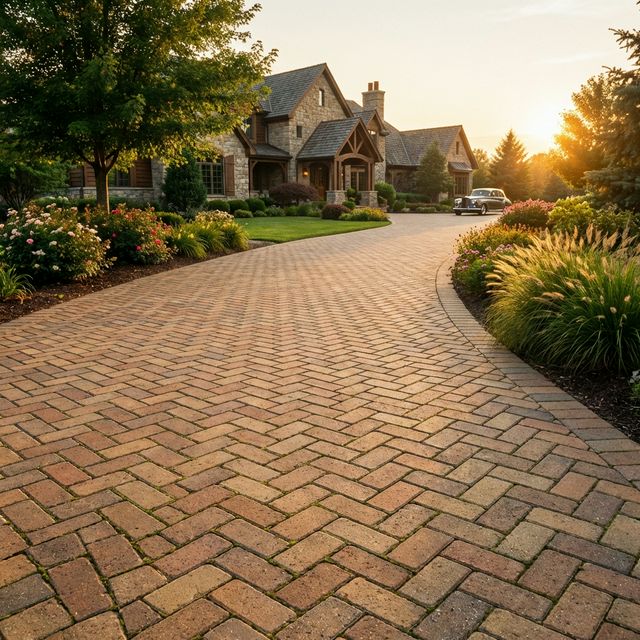
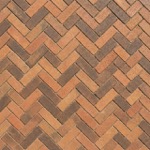
Pattern, texture, and color
$9,700–$11,900600 sq ft · new surfaceCompare paver type, edge restraints, base depth, and joint material.
Calculate my driveway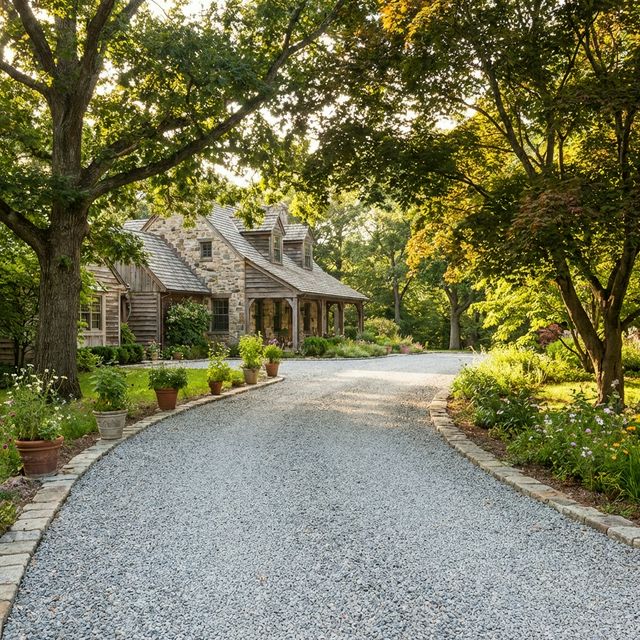
A simple, loose-stone surface
$1,600–$2,000600 sq ft · new surfaceCompare stone type, installed depth, grading, and edging.
Calculate my drivewayExamples use 600 sq ft, our base material rates, the MO state adjustment, and a 10% planning range rounded to $100. They exclude removal, unusual excavation, drainage structures, and permit fees. These are model estimates, not quotes collected from St. Louis contractors.
The calculator adjusts for your measured area and project type. Model inputs updated February 17, 2026. Compare asphalt and concrete in more detail.
FROM PLANNING TO PAVING
Explore local paving and concrete businesses by service, address, and review history. Get your measurements first so every conversation starts with the same project.
Google review snapshot: June 12, 2026. Confirm driveway services with each business.
Showing 11 businesses
Asphalt contractor
2335 Kratky Rd, St. Louis, MO 63114
Listed work: Sealcoating
Asphalt contractor
1314 Rock Hill Rd, St. Louis, MO 63124
Listed work: Sealcoating
Concrete contractor
924 N McKnight Rd, St. Louis, MO 63132
Listed work: Driveways
Asphalt contractor
2909 Barrett Station Rd, St. Louis, MO 63122
Asphalt contractor
1415 Ashby Rd, St. Louis, MO 63132
Listed work: Striping
Concrete contractor
2241 Indiana Ave, St. Louis, MO 63104
Concrete contractor
9834 Gravois Rd, St. Louis, MO 63123
Concrete contractor
8351 Crest Industrial Dr UNIT 9, St. Louis, MO 63123
Masonry contractor
7721 Delmar Blvd, St. Louis, MO 63130
Concrete contractor
6159 Maple Ave, St. Louis, MO 63130
Listed work: Flatwork
Concrete contractor
7140 N Broadway, St. Louis, MO 63147
No matches yet. Try another name, street, ZIP code, or service.
Listings have business addresses in St. Louis, MO. Categories may overlap. Confirm residential driveway work, service area, insurance, and availability directly. Listed businesses are not necessarily participants in our contractor request service.
Google ratings and review counts were imported June 12, 2026. Service categories and listed work come from the May 27, 2026 export. These are collection dates; details may have changed. Names are alphabetical within each group by default. Sorting does not imply endorsement.
MAKE THE NEXT STEP A SMALL ONE
A measured footprint. A material comparison. A clearer conversation.