Calculate your driveway cost in Pittsburgh by satellite 🛰️
We analyze rates from 6 vetted crews in Pittsburgh to estimate your concrete, asphalt, or paver cost instantly.
Regional Base Paving Rates
Local base rates for Pittsburgh. Includes standard prep, gravel base, reinforcement, and cleanup.
How to Measure
Enter your address above to locate your property on satellite imagery.
Click Draw Driveway and click points around your driveway to draw its shape.
Get instant, side-by-side cost estimates for concrete, asphalt, and pavers.
Property found
Click Draw Driveway to trace your driveway and get your price.
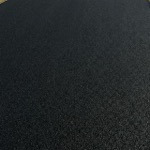
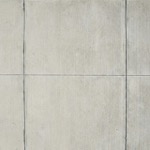
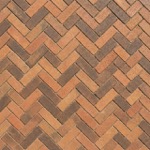
What currently covers this space?
Helps estimate removal costs
Where should we send your estimate breakdown?
We will email your detailed Concrete pricing range copy. You will get a permanent link to return to this layout or share it with contractors.
No spam or unsolicited calls. Just your instant satellite price analysis.
Based on local contractor rates
Price Comparison For -- ft²
Ready to move forward?
Get 3 free quotes from local contractors.
We match you with screened driveway contractors in your area. Compare prices, read reviews, and pick the best fit.
Top-Rated Paving Contractors in Pittsburgh
Based on verified reviews, active state licenses, and responsive service quality, here are the premier local professionals serving the Pittsburgh region.

Allemang Concrete & Masonry Inc
5323 McAnulty Rd, Pittsburgh, PA 15236

Precision Asphalt Pittsburgh
1300 Western Ave, Pittsburgh, PA 15233


Lindy Paving - Neville Island Asphalt Plant
4200 Neville Rd, Pittsburgh, PA 15225

🥇 1st Place NicholasConcrete.com
🥈 2nd Place Allemang Concrete & Masonry Inc
🥉 3rd Place Precision Asphalt Pittsburgh
Lindy Paving - Neville Island Asphalt Plant
Paving Science & Local Variables
1 Calculated Market Rates (2026)
Typical paving rates in the Pittsburgh market are calculated dynamically. Currently, we track 6 highly rated local paving crews in the Pittsburgh region, boasting an average contractor rating of 4.9 stars. Standard concrete driveway installation starts at $8.25 per square foot.
2 Severe Winter Frost Heaving and Sub-grade Prep in Pittsburgh
Paving crews in the Pittsburgh region customize sub-base layers for the local geological constraints. For a typical 390 square foot driveway in Pittsburgh, correcting sub-grade compaction is the primary method to prevent settling failures.
When water in the soil freezes, it expands by approximately 9 percent, pushing the driveway slab upward (frost heave). If the soil thaws unevenly, the driveway settles unevenly, causing structural cracks.
To prevent this, a deep, well-draining sub-base is required. This allows water to drain away from the slab before it can freeze and cause movement.
Paving Specification: Install at least 4 to 6 inches of compacted, clean crushed stone (not sand or silt) beneath the pavement to act as a capillary break, preventing water retention.
3 Drainage Science: Water Management
In Pittsburgh, proper slope grading is critical to manage storm runoff. Keeping water away from the driveway base protects your concrete or asphalt investment from rapid cracking.
Standing water that penetrates porous concrete will freeze and expand, causing the surface to flake off. Immediate drainage is critical.
- Air Entrainment: Concrete must contain microscopic air bubbles, giving water space to freeze and expand internally without cracking the slab.
- Sealing: A high-quality penetrating siloxane sealer blocks moisture and road salts from soaking into the concrete pores.
4 Material Verdict Matrix
Homeowners in Pittsburgh generally choose concrete for its durability and cooling albedo effect, while asphalt remains a cost-effective alternative.
Asphalt handles freeze-thaw cycles naturally due to its flexibility, while concrete offers a durable surface if sealed properly.
Why Choose Asphalt?
- ✓ High flexibility absorbs frost heave without immediate structural cracking
- ✓ Dark color absorbs solar heat, melting snow and ice much faster
- ✓ Immune to damage from chemical road de-icers and rock salt
Why Choose Concrete?
- ✓ Rigid, long-lasting surface that resists damage from snow plow blades
- ✓ Clean appearance with a lifespan of 35+ years if maintained
- ! Susceptible to surface scaling if exposed to rock salt during winter
5 25-Year Protection Timeline
Year 1: The Initial Cure
Let concrete fully breathe and cure. Avoid heavy heavy equipment loads or parking heavy machinery immediately.
Year 3: Penetrating Sealers
Apply a high-end siloxane sealer to concrete to block water saturation. For asphalt, standard sealcoats are mandatory.
Year 7-10: Active Crack Sealing
Fill any expansion fractures with elastic polyurethane sealant (not rigid grout) to permit natural expansion.
6 How to Vet Local Crews
The paving industry has a low barrier to entry. Avoid crews offering flat discounts for cash or proposing left-over concrete mixes. Professional ready-mix must be laid within 90 minutes of mixing.
Vetting Checklist:
- ✓ General Liability Insurance ($1M+)
- ✓ Physical commercial office address
- ✓ Written workmanship warranty
Major Red Flags:
- ✗ Asking for >50% deposit upfront
- ✗ Unwillingness to sign written specifications
- ✗ Door-to-door sales pitch for immediate pours
8 ROI & Valuation Impacts
Replacing a driveway is rarely about making a direct profit on a quick house flip. Instead, it is about protecting physical structural assets and eliminating trip liability.
Appraisal and First Impressions
Appraisers call it effective age. A home with heavily decayed aggregate makes the structure feel decades older, dragging down exterior appeal.
Removing Sales Blockers
Major trip hazards can be flagged during home inspections. Pouring a fresh, clean slab clears physical property hurdles before listing.
Frequently Asked Questions
What causes concrete surface scaling or spalling?
Is rock salt safe to use on my driveway?
Why is my driveway heaving in the winter?
When is it too cold to pour concrete?
Satellite Quote
Analyze your property using our high-definition AI mapping interface. Estimate boundaries and trace lines instantly.
Metropolitan Coverage
Local pricing rates and technical data apply to the entire Pittsburgh metropolitan area, including surrounding residential districts and adjacent municipalities.