


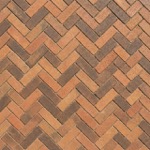
Residential Concrete: The "Forever" Pavement
While asphalt is a rental, concrete is an investment. A properly engineered concrete driveway (4,000 PSI, rebar-reinforced) will last 30-50 years with virtually zero maintenance. However, one mistake in the mix design or curing process can ruin the slab before you even drive on it.
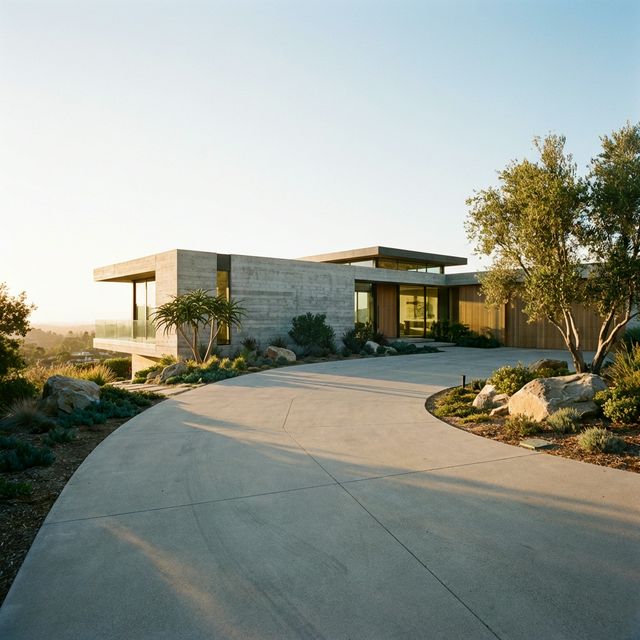
A modern 4000 PSI concrete driveway with sharp edges and a clean broom finish.
In This Guide:
- The Choice: Concrete vs Asphalt
- ROI & Home Value
- The Budget: Real Costs & Checklist
- The Foundation (Sub-grade Preparation)
- Drainage & Slope Engineering
- Reinforcement (Rebar vs Wire Mesh)
- Thickness (Cars vs Trucks)
- The Mix Design (PSI Strategy)
- The Pour (Process & Equipment)
- Control Joints (Crack Management)
- Curing strategy (The 28-Day Rule)
- Finishes (Standard & Premium)
- Decorative Options (Stamping & Color)
- Sealing & Protection
- Maintenance & Troubleshooting
- Seasonal Timing (When to Pour)
- DIY vs Professional
- Legal, Permits & Zoning
- Contractor Interview Script
- FAQs & Conclusion
- 🔥 Heated Driveways Guide
1. The Choice: Concrete vs Asphalt
Before you commit to concrete, you need to know what you are buying. It is the premium option, costing 2x to 3x more than asphalt. Is it worth it?
| Feature | Concrete 💎 | Asphalt ⚫ |
|---|---|---|
| Lifespan | 30 - 50 Years | 15 - 20 Years |
| Cost (2026) | $8 - $14 / sq ft | $3 - $6 / sq ft |
| Maintenance | Near Zero (Wash & Seal) | High (Sealcoat every 3 yrs) |
| Curb Appeal | Premium / Bright | Functional / Dark |
| Climate | Great in Heat (Stays Cool) | Great in Cold (Flexible) |
Compare in depth: Read our full Concrete vs Asphalt Cost breakdown here.
2. ROI & Home Value
Does concrete pay for itself? According to real estate data, a well-maintained concrete driveway can increase your home's appraisal value by up to 5%. Unlike asphalt, which is seen as a maintenance liability by homebuyers, concrete is viewed as a "finished" asset, similar to a hardwood floor.
It also sets the tone for "Curb Appeal." A bright, clean concrete slab makes the house look newer and the landscaping pop.
3. The Budget: Real Costs & Checklist
Concrete prices have stabilized in 2026 after the post-pandemic surge. However, it remains a premium product. The raw material (Ready-Mix) is ~30% of the cost. The rest is specialized labor, reinforcement steel, and finishing equipment.
Cost Checklist by Size
| Driveway Type | Approx. Size | Price Range (2026) |
|---|---|---|
| Single Car (Short) | ~200 sq ft | $2,000 - $3,200 |
| Double Car (Standard) | ~600 sq ft | $5,500 - $8,500 |
| Country Lane | ~1,500 sq ft | $14,000 - $21,000 |
🚛 The "Mobilization Cost"
Unlike asphalt crews who might be "in the neighborhood," concrete trucks are dispatched individually. Expect a $300 - $500 mobilization fee for small jobs (under 400 sq ft) to cover the "short load" charge from the batch plant.
4. The Foundation (Sub-grade Preparation)
You can pour 10-inch thick concrete, but if the ground underneath moves, it will crack. The strength of your driveway is defined by the sub-grade.
Clay Soil: A challenging base. Clay expands when wet and shrinks when dry. Ideally, it
should be removed or
capped with 4-6 inches of crushed stone.
Sandy Soil: Ideal. It drains naturally and remains stable.
The Proof Roll Test
How do you know if your sub-grade is ready? Demand a "Proof Roll." Have the contractor drive a loaded dump truck slowly over the compacted gravel base.
- Pass: The gravel forces down slightly but springs back. No rutting.
- Fail: The tires sink >1 inch or the ground "waves". Pouring is not recommended. You may need to dig deeper and add large "surge stone."
5. Drainage & Slope Engineering
Water management is critical for longer lasting concrete. If water pools under the slab and freezes, it can heave the concrete up, leading to cracks.
The 2% Rule: Your driveway must have a minimum slope of 1/4 inch drop per foot away from the house or garage. If you have a flat driveway or negative grade (towards the house), you do not have a choice: you need a Trench Drain.
A Trench Drain (often called a slot drain) is a galvanized steel grate set in concrete that catches water before it hits your garage door. Expect to pay $80 - $120 per linear foot for installation.
6. Reinforcement (Rebar vs Wire Mesh)
Concrete has incredible compression strength (it can hold a truck) but terrible tensile strength (it cracks when pulled apart). You need steel to hold it together.
⚠️ Wire Mesh (Rolled)
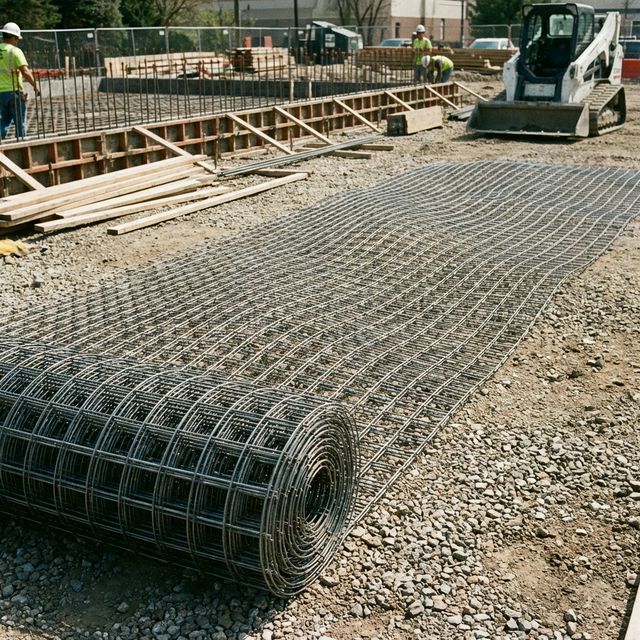
Rolled wire mesh (6x6) is standard but thinner than rebar. Because it comes in rolls, it curls,
making it difficult to keep centered.
If it gets pushed to the bottom during the pour, it offers zero support.
Verdict: Less effective than rebar grid. Only effective when installed with support
chairs.
✅ #3 Rebar Grid (The Gold Standard)
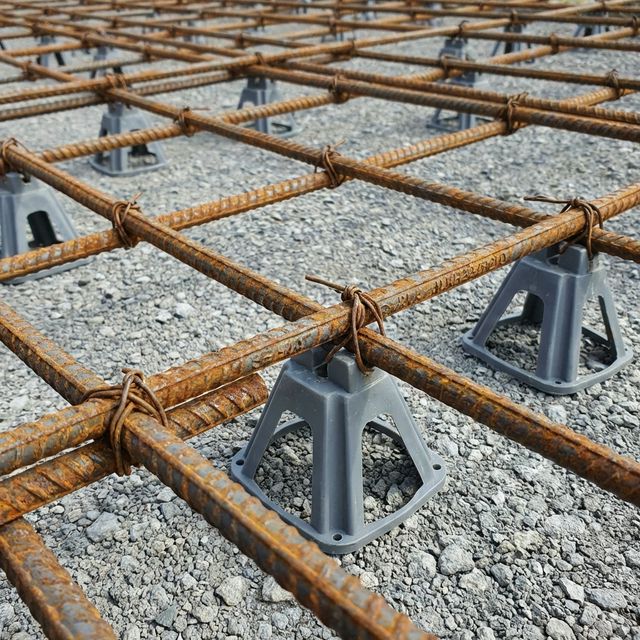
Engineered Strength. #3 (3/8") steel bars tied in a 2-foot grid. Crucially, notice
the plastic chairs (grey/red supports).
These hold the steel in the exact center of the slab (the "neutral axis").
Verdict: Demand this for 30+ year durability.
7. Thickness (Cars vs Trucks)
How thick should your driveway be?
- 4 Inches: The residential standard using 4000 PSI mix. Suitable for sedans, light SUVs (Toyota RAV4), and daily use.
- 5 Inches: Recommended for modern heavy vehicles. Electric Vehicles (Rivian, Tesla Cybertruck) are 30% heavier than gas cars. If you own an EV, consider 5 inches.
- 6 Inches: Required for heavy duty use. RVs, boats on trailers, or delivery trucks (FedEx/UPS often use driveways).
8. The Mix Design (PSI Strategy)
When the truck arrives, what is actually in the drum? You are paying for the "strength" of the mix.
3000 PSI: Builder Grade. Cheap. Fine for patios, garbage for driveways. It has less cement
and more sand.
4000 PSI: Paving Grade. The industry standard for driveways. Higher cement content makes it
harder, more waterproof, and brighter white.
Air Entrainment: In freeze zones (North), you MUST ask for "Air Entrained" concrete. This
adds billions of microscopic bubbles that act as shock absorbers when water freezes inside the slab.
9. The Pour (Process & Equipment)
Pour day is chaos controlled by science.
- Arrival: Trucks have 90 minutes to pour once water hits the mix. Any longer, and the concrete is "hot" (setting too fast).
- Placement: If the truck can't reach the back, you need a "Pump Truck" ($500+ daily rental) or a buggy. Tailgating (driving the heavy truck on the grade) risks crushing your pipes.
- Screeding: Leveling the wet mud.
- Bull Floating: Pushing down the aggregate (rocks) and bringing the "cream" (cement paste) to the surface for finishing.
10. Control Joints (Crack Management)
Concrete WILL crack. There is no stopping it. The goal is to decide where it cracks.
"Control Joints" are deliberate lines cut into the slab to create a weak point. When the concrete shrinks, it cracks invisibly inside that nice straight line.
The Rule of Thumb:
Joint spacing should be (in feet) 2x the thickness (in inches).
For a 4-inch slab, joints must be every 8 to 10 feet max. A massive 20x20 slab without
a cut will crack like a spiderweb.
11. Curing Strategy (The 28-Day Rule)
Concrete doesn't "dry" like paint; it "cures" via a chemical reaction called hydration. This reaction needs moisture. If the surface dries out too fast (wind/sun), it turns into chalk dust.
Wet Curing: The best method. Keep the slab wet with a sprinkler hose for 3-7 days. Or, apply a chemical "Cure & Seal" compound immediately after finishing.
The "No Drive" Timeline:
48 Hours: You can walk on it.
7 Days: You can drive a sedan on it.
28 Days: Full structural strength achieved (Heavy trucks allowed).
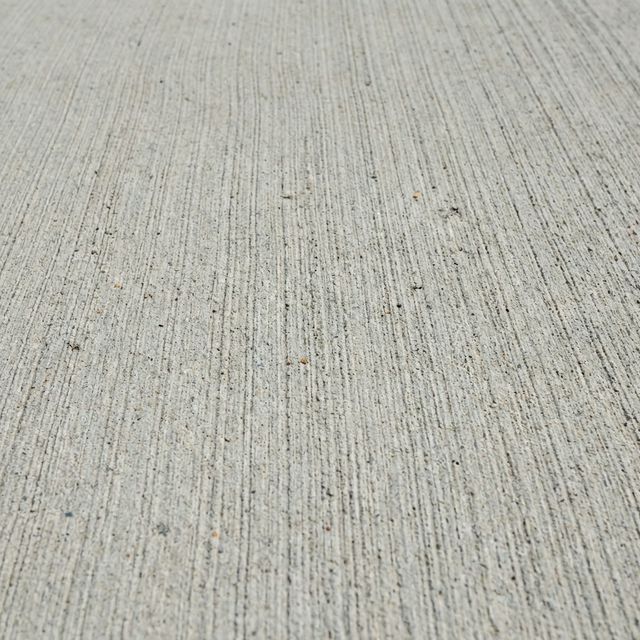
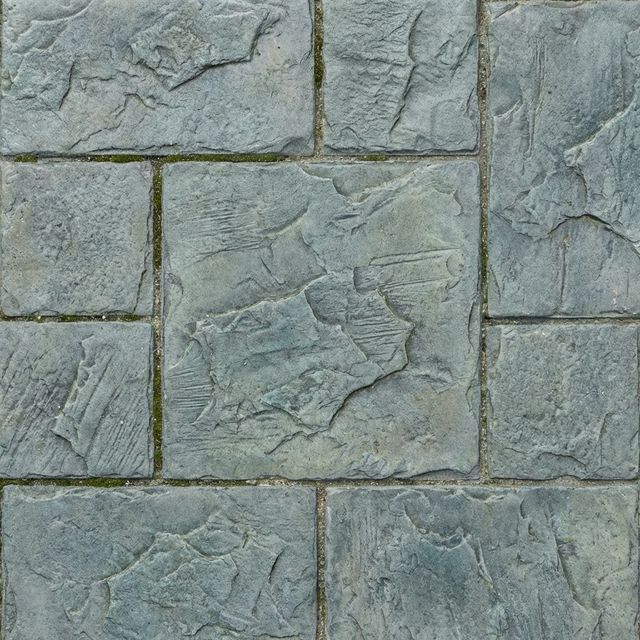
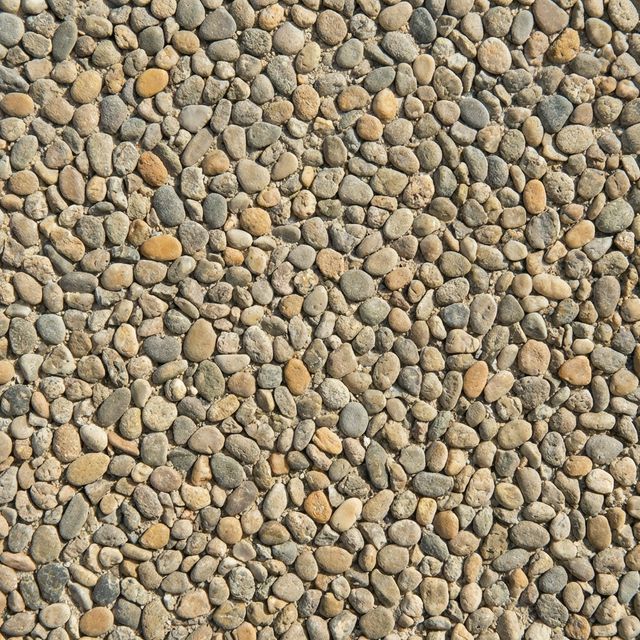
12. Finishes (Standard & Premium)
Functionality comes first, but curb appeal adds value.

13. Decorative Options (Stamping & Color)
Stamped concrete mimics slate, stone, or brick. It is stunning but expensive. Expect to pay $18 - $24 per sq ft (double the price of plain concrete).
Note: Stamped concrete can be slippery when wet. A non-slip additive (like shark grip) is often added to the sealer to improve traction.
14. Sealing & Protection
Do you need to seal concrete? Yes, if you live in a freeze-thaw zone or have oil leaking cars.
Film Formers (Acrylic): Creates a shiny "wet look." Good for stamped concrete. Wears off in 2 years.
Penetrators (Silane/Siloxane): The engineer's choice. It soaks into the pores and makes the concrete hydrophobic (water beads up). It doesn't change the look or grip. Lasts 5-7 years.
15. Maintenance & Troubleshooting
Concrete is low maintenance, not no maintenance.
- Avoid De-icing Salts Rock Salt (Sodium Chloride) can damage the surface of fresh concrete (spalling). It is better to use sand for traction or Calcium Magnesium Acetate (CMA) de-icers.
- Oil Stains Clean immediately with kitty litter (absorb) and then a bacteria-based enzyme cleaner (Terminator-HSD). Pressure washing drives oil deeper.
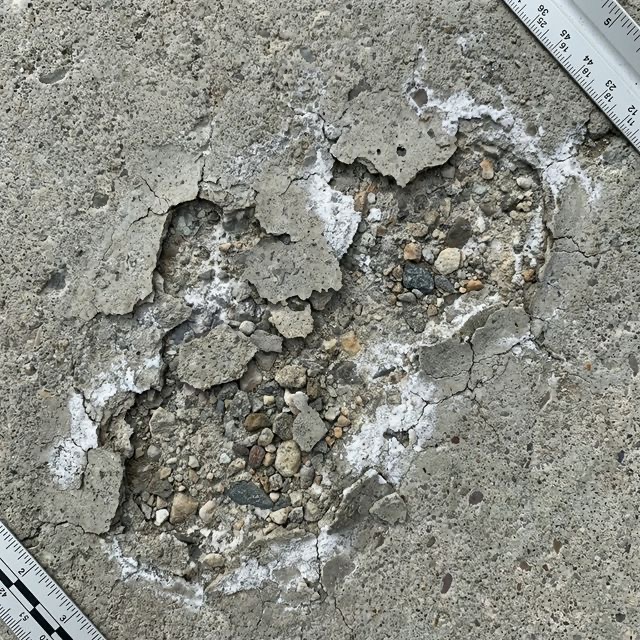
Spalling Damage
The image left shows "Spalling." The water melts, enters the pores, refreezes, and expands, popping the top layer of concrete off. It is irreversible.
16. Seasonal Timing (When to Pour)
-
🌱Spring (March - May): The sweet spot. Temps are 50-70°F. Ensure the ground has fully thawed.
-
☀️Summer (June - Aug): High risk. If it's >90°F, concrete sets too fast ("flash set"). Workers might add water to compensate, which weakens the slab.
-
🍂Fall (Sept - Nov): Excellent. Ground is dry and hard.
17. DIY vs Professional
Can you pour your own driveway?
Short answer: No.
Concrete is heavy (4,000 lbs per yard), caustic (burns skin), and perishable. You have 90 minutes to place, screed, float, and finish 40 tons of mud. If you mess up, you can't sand it down like wood. You have to jackhammer it out.
18. Legal, Permits & Zoning
Concrete is classified as "impervious coverage." Many towns stick to a 30-40% lot coverage limit to prevent flooding.
The Apron Rule: The bottom 4-10 feet of your driveway (where it meets the street) is often in the "Right of Way." Towns often have strict rules about this sections material and thickness. Always check before pouring.
19. Contractor Interview Script
Q: "Do you use wire mesh or rebar?"
Look for: "We use #3 rebar on chairs." (If they say mesh, ask if they lift it).
Q: "What PSI mix do you use?"
Look for: "4000 PSI." (3000 is for patios, not driveways).
Q: "How far apart are control joints?"
Look for: "8 to 10 feet." (Anything over 12 feet guarantees uncontrolled cracking).
20. FAQs & Conclusion
How long before I can park on new concrete? ▼
Does a concrete driveway add value to a home? ▼
Why is my new driveway white and my neighbor's grey? ▼
A concrete driveway is a "buy it for life" purchase. By specifying 4000 PSI mix, rebar reinforcement, and proper 28-day curing, your investment will increase your home's curb appeal for decades.
Use the DrivewaySatellite Calculator above to get your cubic yardage and cost estimate immediately.
Sources & Citations (2026)
- 1. American Concrete Institute (ACI) - ACI 332: Residential Concrete Code
- 2. National Ready Mixed Concrete Association (NRMCA) - Concrete in Practice (CIP) Guides
- 3. Portland Cement Association (PCA) - Durability Statistics