Calculate your driveway cost in Phoenix by satellite 🛰️
Draw on satellite imagery of your property in Phoenix, AZ. Get an instant estimate based on live local material and labor rates.
Example Driveway: The Fresh Prince of Bel-Air's mansion. (Uncle Phil is
paying for this one).
Enter your address above to calculate your real price.
After you draw, you get:
Property found
Click Draw Driveway to trace your driveway and get your price.
What's there now?
Helps estimate removal costs
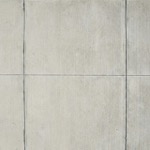
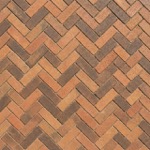
Analyzing local rates
Price Comparison For -- ft²
Questions or feedback?
We're happy to help with your driveway project — whether you need guidance on materials, costs, or next steps.
Free · No obligation · No spam
In Phoenix, your driveway battles the most intense UV radiation in the country. With surface temperatures exceeding 160°F in summer, the wrong material choice can literally melt your shoes. Here's how to build for the desert.
Whether you're dealing with a cracked 1980s aggregate driveway or looking to upgrade from gravel, this guide covers everything you need to know directly from local paving theories and practices. No fluff - just the numbers and the science.
1 The Real Cost of Driveways in Phoenix
In Phoenix, labor costs have stabilized in 2026, but material costs for concrete remain the primary driver of price. A "turnkey" price typically includes:
- Demolition: Breaking up and hauling away the old slab (approx $2-$4/sq ft).
- Grading: Re-leveling the sub-base to ensure drainage.
- Base Material: 2-4 inches of road base or cushion sand.
- The Pave: 4 inches of 3000+ PSI concrete with rebar reinforcement.
Market Rates (2026)
2 The Challenge: Caliche & Hardpan
Unlike the shifting clays of Texas, Phoenix sits on Caliche - a concrete-like layer of calcium carbonate found just inches below the surface.
While stable, Caliche is incredibly hard to excavate. If your contractor doesn't budget for heavy machinery to break through this layer for proper grading, they might cut corners and pour too thin.
The Fix: Ensure your quote includes 'hard dig' provisions if needed. You want your driveway base to sit on top of the compacted caliche, not floating in loose dust above it.
3 Drainage: Water is the Enemy
Monsoon season (July-Sept) dumps massive amounts of water in minutes. Since our ground doesn't absorb water well, runoff is instant.
- Positive Slope: Essential to prevent water from pooling and evaporating, which leaves ugly white alkali deposits on concrete.
- ABW (Aggregate Base Course): Critical in Phoenix to allow some percolation.
4 Material Selection
The sun is the enemy here. Asphalt absorbs heat, while concrete reflects it (Albedo effect).
Why Choose Concrete?
- ✓ Stays 20-30°F cooler than asphalt
- ✓ Lasts 30+ years in dry climate
- ✓ No softening under parked cars
Why Choose Asphalt?
- ✓ Cheaper install cost
- ⚠️ Can reach 170°F+ (risk of burns)
- ⚠️ Needs frequent sealing to prevent oxidation
5 The 25-Year Protection Plan
Year 1: The Cure
Don't seal concrete immediately. Let it breathe and fully cure. Avoid parking heavy heavy machinery.
Year 3: First Seal (Optional but recommended)
Apply a penetrating siloxane sealer to concrete to stop water absorption. For asphalt, this is mandatory.
Year 7-10: Crack Management
Small hairline cracks are normal in Austin. Fill them with flexible polyurethane caulk (not rigid mortar) so they can move without reopening.
6 How to Vet a Contractor
The paving industry has a low barrier to entry. Avoid the "fly-by-night" crews that knock on your door saying they have "leftover material" from a neighbor's job. Real pros don't have "leftover" concrete - it has to be used within 90 minutes.
Must Haves:
- • General Liability Insurance ($1M+)
- • Physical office address (not a PO Box)
- • Written warranty (1-2 years is standard)
Red Flags:
- • "Cash only" for a discount
- • Asking for >50% deposit upfront
- • No written contract / handshake only
7 ROI & Home Value Context
Replacing a driveway is rarely about making a profit on a quick flip - it's about protecting value and liability.
The "First Impression" Value
Appraisers call it "effective age." A home with a crumbled, weed-infested driveway looks 10 years older than it is, dragging down the valuation of the entire exterior. A clean white slab signals "well-maintained."
The Liability Factor
Uneven slabs (trip hazards) are a liability. Insurance companies can actually flag major driveway heaves during inspections. Fixing this removes a blocker for potential future buyers.
Frequently Asked Questions
My asphalt driveway has tire marks, is that normal?
In Phoenix summers, yes. Asphalt softens at 140°F. Avoid turning your steering wheel while stopped (known as "power steering scrub") to prevent scuffing.
Do I need rebar in Phoenix?
Opinions vary. Since we don't have freeze-thaw cycles, some contractors use wire mesh or fiber mesh instead of full rebar. However, rebar is always the premium, safest choice.
What is the white powder on my new concrete?
Efflorescence. It's salts in the water/cement rising to the surface as it cures quickly in the dry heat. It usually washes off or wears away.
Can I extend my driveway to the property line?
Check Phoenix zoning. Most residential setbacks require you to be 3-5 feet from the side property line. Zero-lot-line paving is rarely allowed.
How much does demolition cost?
Removing old concrete in Phoenix is standard ($2-$4/sq ft), but removing 6 inches of native caliche to pour a new slab can cost more due to hardness.
Should I seal my concrete?
Yes, but for stain protection, not freeze protection. A penetrating sealer helps keep oil/coolant drips from staining the porous surface.
Instant Satellite Quote
See exactly what it costs to pave your specific driveway in Phoenix using our AI measurement tool.