Calculate your driveway cost in Denver by satellite 🛰️
Draw on satellite imagery of your property in Denver, CO. Get an instant estimate based on live local material and labor rates.
Example Driveway: The Fresh Prince of Bel-Air's mansion. (Uncle Phil is
paying for this one).
Enter your address above to calculate your real price.
After you draw, you get:
Property found
Click Draw Driveway to trace your driveway and get your price.
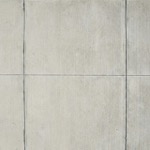
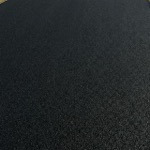
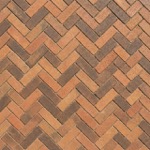
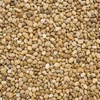
What's there now?
Helps estimate removal costs
Analyzing local rates
Price Comparison For -- ft²
Questions or feedback?
We're happy to help with your driveway project — whether you need guidance on materials, costs, or next steps.
Free · No obligation · No spam
Denver driveways endure the toughest lifecycle of all: the Freeze-Thaw cycle. With 300 days of sun but freezing nights, concrete expands and contracts constantly.
Whether you're dealing with a cracked 1980s aggregate driveway or looking to upgrade from gravel, this guide covers everything you need to know directly from local paving theories and practices. No fluff - just the numbers and the science.
1 The Real Cost of Driveways in Denver
In Denver, labor costs have stabilized in 2026, but material costs for concrete remain the primary driver of price. A "turnkey" price typically includes:
- Demolition: Breaking up and hauling away the old slab (approx $2-$4/sq ft).
- Grading: Re-leveling the sub-base to ensure drainage.
- Base Material: 2-4 inches of road base or cushion sand.
- The Pave: 4 inches of 3000+ PSI concrete with rebar reinforcement.
Market Rates (2026)
2 The Bentonite Issue
Denver has areas of Bentonite soil (expanding clay) that can heave structures by inches. This is distinct from regular frost heave.
The Fix: Air-Entrained Concrete. This mix has billions of microscopic air bubbles that give water room to expand when it freezes involved, preventing internal cracking.
3 Drainage: Water is the Enemy
Snow melt needs somewhere to go. If it sits on the driveway and refreezes at night, it spalls (pops off) the surface.
4 Material Selection
It's a battle of durability vs flexibility.
Why Choose Concrete?
- ✓ Clean look for shoveling snow
- ✓ Durable IF sealed against magnesium chloride (road salt)
Why Choose Asphalt?
- ✓ Dark color absorbs sun and melts snow faster
- ✓ Flexes with frost heave instead of cracking
- ✓ Easier to repair after intense winter damage
5 The 25-Year Protection Plan
Year 1: The Cure
Don't seal concrete immediately. Let it breathe and fully cure. Avoid parking heavy heavy machinery.
Year 3: First Seal (Optional but recommended)
Apply a penetrating siloxane sealer to concrete to stop water absorption. For asphalt, this is mandatory.
Year 7-10: Crack Management
Small hairline cracks are normal in Austin. Fill them with flexible polyurethane caulk (not rigid mortar) so they can move without reopening.
6 How to Vet a Contractor
The paving industry has a low barrier to entry. Avoid the "fly-by-night" crews that knock on your door saying they have "leftover material" from a neighbor's job. Real pros don't have "leftover" concrete - it has to be used within 90 minutes.
Must Haves:
- • General Liability Insurance ($1M+)
- • Physical office address (not a PO Box)
- • Written warranty (1-2 years is standard)
Red Flags:
- • "Cash only" for a discount
- • Asking for >50% deposit upfront
- • No written contract / handshake only
7 ROI & Home Value Context
Replacing a driveway is rarely about making a profit on a quick flip - it's about protecting value and liability.
The "First Impression" Value
Appraisers call it "effective age." A home with a crumbled, weed-infested driveway looks 10 years older than it is, dragging down the valuation of the entire exterior. A clean white slab signals "well-maintained."
The Liability Factor
Uneven slabs (trip hazards) are a liability. Insurance companies can actually flag major driveway heaves during inspections. Fixing this removes a blocker for potential future buyers.
Frequently Asked Questions
What is spalling?
It is when the top layer of concrete flakes off. It is caused by water freezing in the pores or by using de-icing chemicals.
Can I use salt?
NO. Never use rock salt on concrete less than 1 year old. Use sand for traction, or products labeled "Safe for Concrete" (Calcium Magnesium Acetate).
When can I pour concrete?
Only when temperatures are above 40°F for 24 hours. We usually stop pouring in deep winter unless we use heating blankets.
Why is my driveway heaving?
Frost heave. Water in the soil freezes and expands. It usually settles back down in spring. Don't fill cracks until the ground thaws and settles.
Do I need a permit?
Denver requires permits for all replacement work in the Right of Way (sidewalk/apron). Inspections are strict.
How thick?
4 inches is minimum, but 5 inches is better for expansive soils to provide more structural ridgidity.
Instant Satellite Quote
See exactly what it costs to pave your specific driveway in Denver using our AI measurement tool.